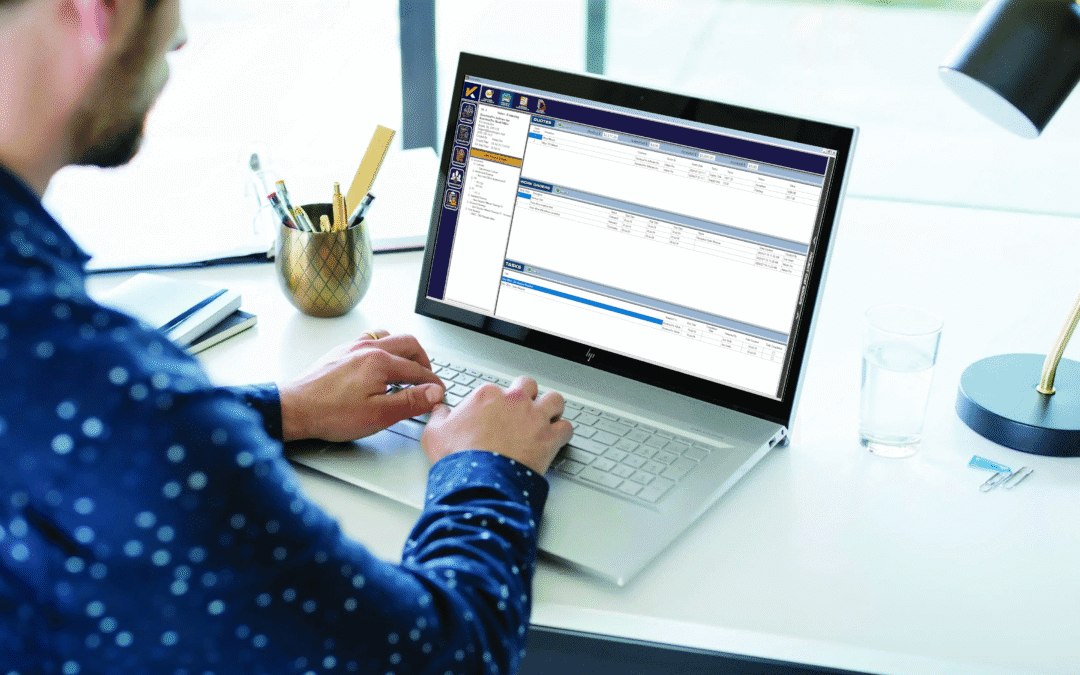
For years, spreadsheets have been the go-to tool for construction businesses: quick to set up, familiar, and seemingly free. From estimating material takeoffs and tracking job costs to managing payroll hours and purchase orders, Excel (or Google Sheets) handled it all for small crews and growing shops alike.
But in 2026, as projects grow more complex, teams expand, and margins tighten, many construction companies—general contractors, residential builders, millwork operations, and specialty trades—are quietly ditching spreadsheets for true ERP solutions. These all-in-one platforms centralize estimating, bidding, project management, time tracking, payroll, purchasing, inventory, and financials into a single, connected system.
The shift isn’t about disliking spreadsheets—it’s about outgrowing them. Here’s why more businesses across the United States and Canada are making the move.
1. Spreadsheets Create Costly Errors and Version Chaos
Manual entry, broken formulas, and multiple file versions lead to mistakes that hit hard in construction. A single miscalculation in a bid can mean lost profits or underbidding jobs; outdated data can cause payroll disputes or material overages.
Studies show up to 88% of spreadsheets contain errors, and in construction, even small ones lead to rework, delays, or rescinded bids. True ERP systems automate calculations, enforce data validation, and provide a single source of truth—no more emailing updated files or hunting for the “final” version.
2. No Real-Time Visibility or Collaboration
Spreadsheets are static snapshots. By the time you update a cost tracker or job progress sheet, the data is already outdated—especially with field teams, shop staff, and office personnel working separately.
ERP delivers real-time dashboards: see live job costs, material status, time logged, and budget variances instantly. Mobile access lets crews clock in, attach photos, or generate purchase orders on-site, while everyone views the same accurate picture. This eliminates silos, speeds decisions, and reduces “after-the-fact” surprises.
3. Scalability Limits Hit Hard as You Grow
What works for a 5-person team falls apart at 15–20+ users or multiple simultaneous projects. Spreadsheets don’t scale: file sizes balloon, performance slows, collaboration becomes chaotic, and security risks rise with shared links.
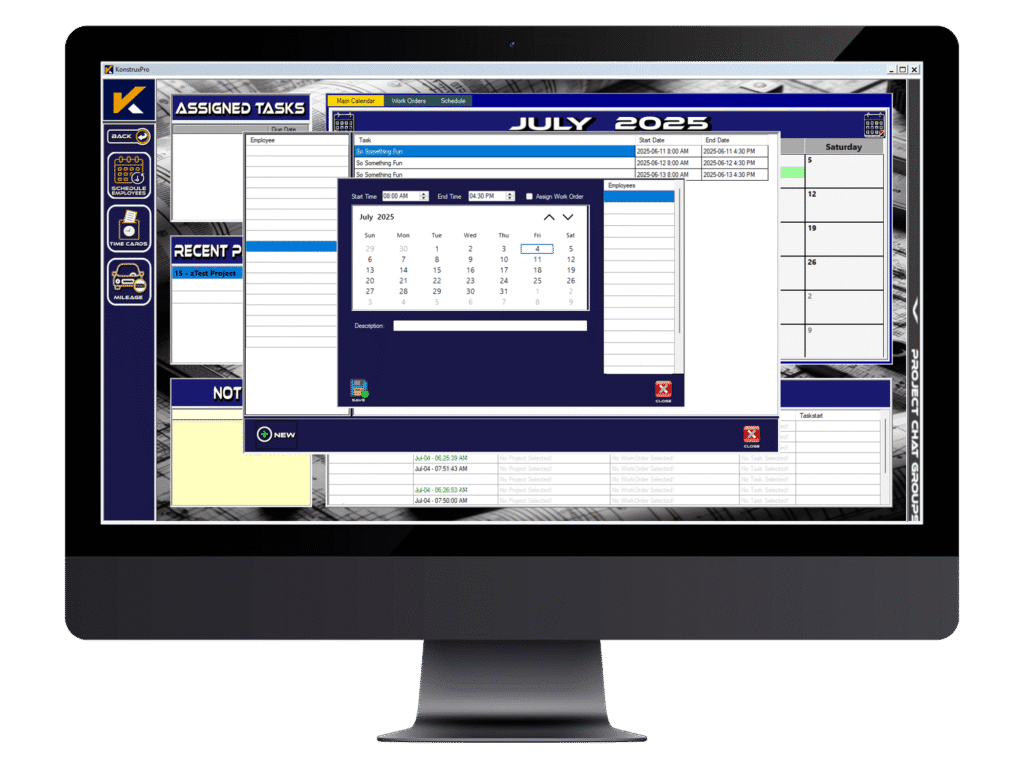
True ERP solutions are built to grow—handling increased data volume, more users, and complex workflows without breaking. Features like automated workflows, integrated job costing, and unlimited user access (no per-seat fees) support expansion seamlessly.
4. Disconnected Tools Waste Time and Erode Margins
Many businesses end up with a “Frankenstein” setup: spreadsheets for estimating, separate apps for time tracking, emails for change orders, and accounting software for payroll. Reconciling everything manually eats hours and introduces discrepancies.
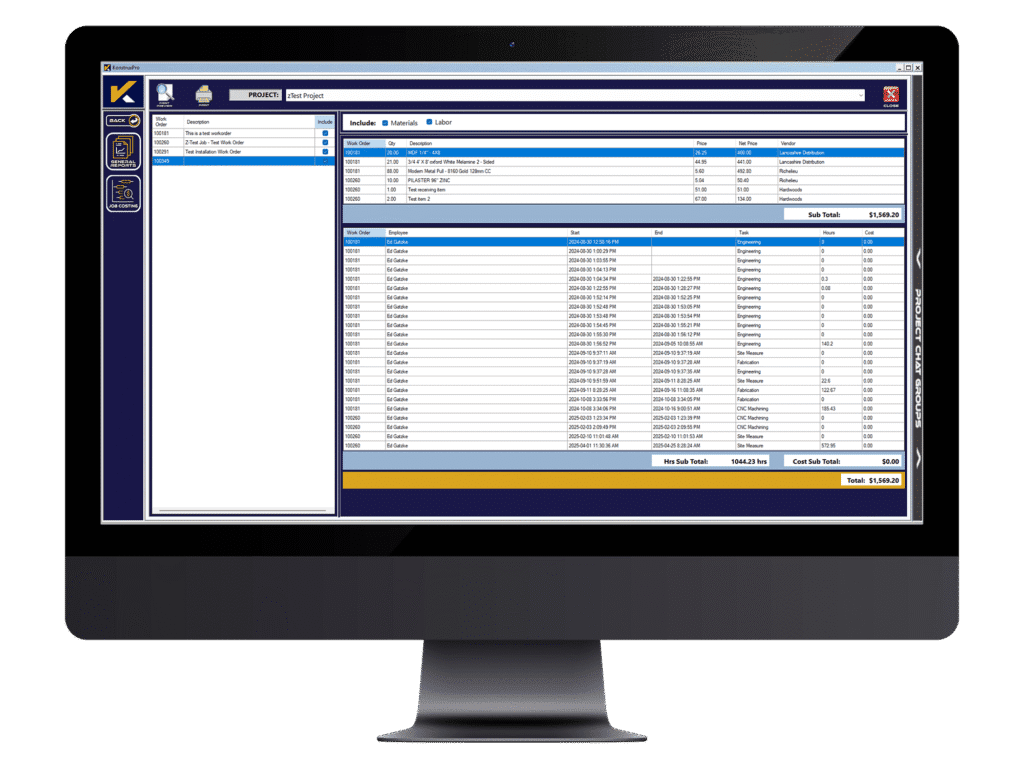
A dedicated construction ERP integrates everything: bids flow into projects, materials tie to purchase orders, hours feed payroll, and costs update job profitability in real time. This cuts admin time, improves accuracy, and boosts overall efficiency—often reducing operating costs by 30–50% according to industry reports.
5. Better Compliance, Forecasting, and Profitability
Construction faces strict regulations, insurance tracking, and tight deadlines. Spreadsheets make compliance manual and error-prone.
ERP automates tracking (e.g., certifications, certifications expirations), provides predictive forecasting for cash flow and resource needs, and delivers detailed job costing to spot leaks early. The result? Tighter margins, fewer overruns, and stronger bids that win more work.
The Bottom Line: Spreadsheets Were a Starting Point—ERP Is the Future
In 2026, the construction industry is evolving fast—with labor shortages, sustainability demands, tech integration, and rising project complexity. Businesses sticking to spreadsheets risk falling behind, while those adopting true ERP gain a competitive edge: faster projects, lower costs, happier teams, and sustainable growth.
KonstruxPro is a true all-in-one ERP built specifically for trades, contractors, and shops in the US and Canada. It replaces fragmented spreadsheets with streamlined tools for estimating, project management, time tracking, payroll, purchasing, and more—all at a flat $549 CAD/month for unlimited users. No escalating fees, no hidden add-ons—just predictable pricing and full-team access.
Ready to leave spreadsheets behind and unlock real efficiency? Start your 30-day free trial at www.konstruxpro.com. Book a demo to see how KonstruxPro centralizes your operations and positions your business for long-term success.
The era of spreadsheet dependency is ending—join the shift to smarter, connected construction management.
Posted by the KonstruxPro Team