The construction industry in 2026 is evolving rapidly, driven by economic shifts, regulatory pressures, labor challenges, and surging demand in sectors like data centers, renewable energy, and infrastructure. For general contractors, residential builders, millwork shops, and trade businesses operating across the United States and Canada, staying ahead means adapting to three interconnected megatrends: sustainability, technology integration, and efficiency tools.
These aren’t just buzzwords—they’re practical necessities for winning bids, controlling costs, meeting client expectations, and combating ongoing labor shortages. Here’s a closer look at the top trends defining 2026 and how they’re reshaping day-to-day operations.
1. Sustainability: From Optional to Essential
Sustainability has moved firmly from “nice-to-have” to a core competitive edge. With buildings and construction accounting for a significant portion of global emissions, clients, regulators, and investors are demanding lower-carbon practices, energy-efficient designs, and resilient builds.
Key drivers in 2026 include:
Widespread adoption of low-carbon materials (e.g., recycled steel, green concrete) and circular economy principles to reduce waste.
Climate-responsive design that optimizes energy use based on site conditions, water conservation, and biodiversity.
Net-zero commitments, with many firms targeting decarbonization through better material choices, modular construction, and lifecycle assessments.
For trades and smaller shops, this means specifying sustainable options in bids and using tools to track embodied carbon or waste reduction. Modular and prefabricated methods are gaining traction for faster builds with less on-site waste—helping meet tight schedules while lowering environmental impact.
2. Tech Integration: AI, BIM, Digital Twins, and Beyond
Technology adoption in construction has shifted from experimentation to essential execution. In 2026, digital tools are no longer add-ons—they’re foundational for collaboration, accuracy, and speed.
Standout trends include:
AI and automation powering predictive analytics for risk detection, scheduling optimization, and automated workflows (e.g., AI agents handling progress tracking or conflict resolution).
Building Information Modeling (BIM) as the default standard, with immersive virtual construction and digital twins enabling teams to simulate projects, reduce rework, and improve coordination before breaking ground.
Connected data ecosystems and cloud-based platforms for real-time collaboration across offices, sites, and shops—eliminating silos and manual data entry.
Mobile-first and AR/VR tools for on-site visualization, remote inspections, and faster decision-making.
These integrations help offset labor shortages by boosting productivity per worker and allowing smaller teams to handle complex jobs. Data-driven insights also improve bidding accuracy and cost control in volatile markets.
3. Efficiency Tools: All-in-One Software to Maximize Output
With persistent labor shortages and tight margins, efficiency tools—especially integrated construction management and ERP software—are critical for doing more with less.
In 2026, top-performing businesses are leaning on platforms that centralize operations:
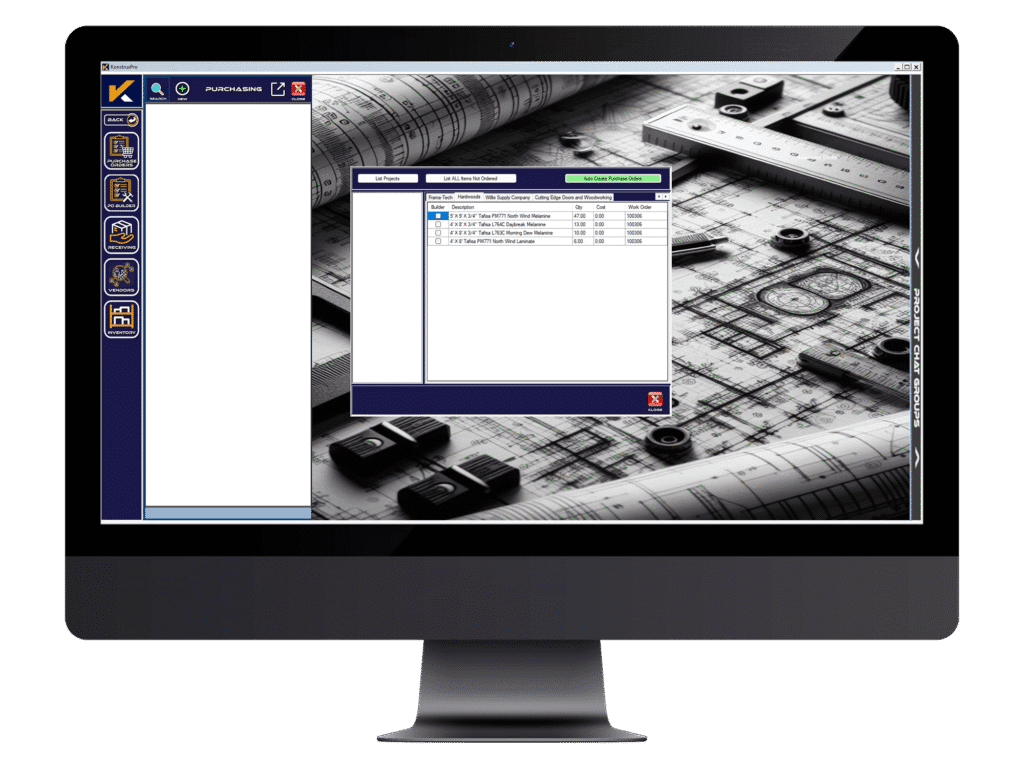
Streamlined estimating, bidding, project management, time tracking, payroll, purchasing, and inventory in one system.
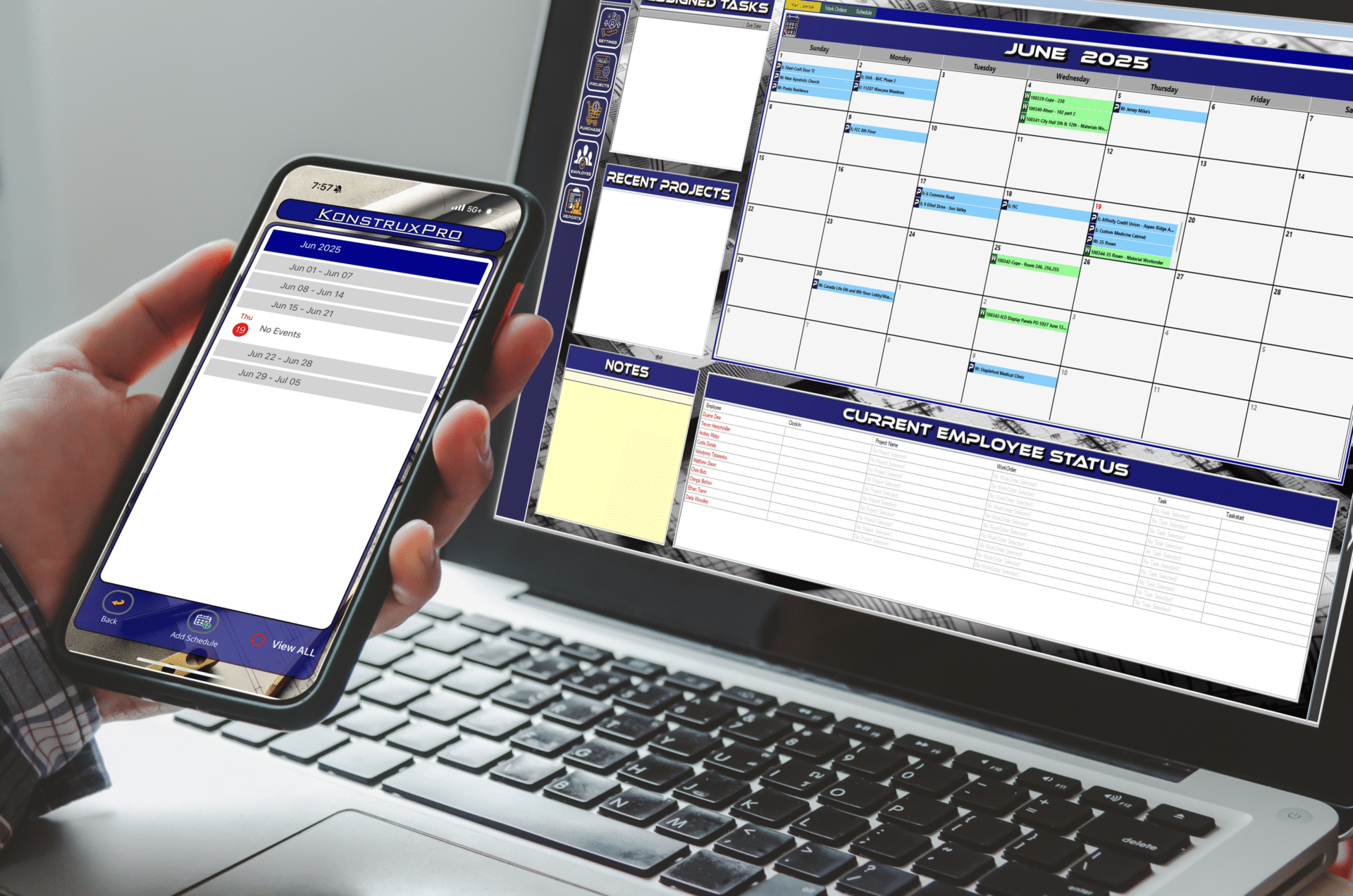
Real-time dashboards and mobile access for field teams to log hours, generate purchase orders, and update progress instantly.
Flat-rate, unlimited-user models that encourage full-team adoption without escalating costs as you grow.
These tools automate repetitive tasks, reduce errors, speed up payroll processing, and provide accurate job costing—freeing up time for high-value work like client relationships and quality craftsmanship. For residential, commercial, and millwork operations across North America, this means faster project delivery, better profitability, and stronger competitiveness.
Why These Trends Matter for Your Business
The 2026 landscape features booming sectors like data centers and power infrastructure alongside steadier residential and trade work. Economic uncertainties (e.g., material costs, interest rates) add pressure, but firms embracing these trends gain advantages: lower waste, higher productivity, faster onboarding, and the ability to attract tech-savvy talent.
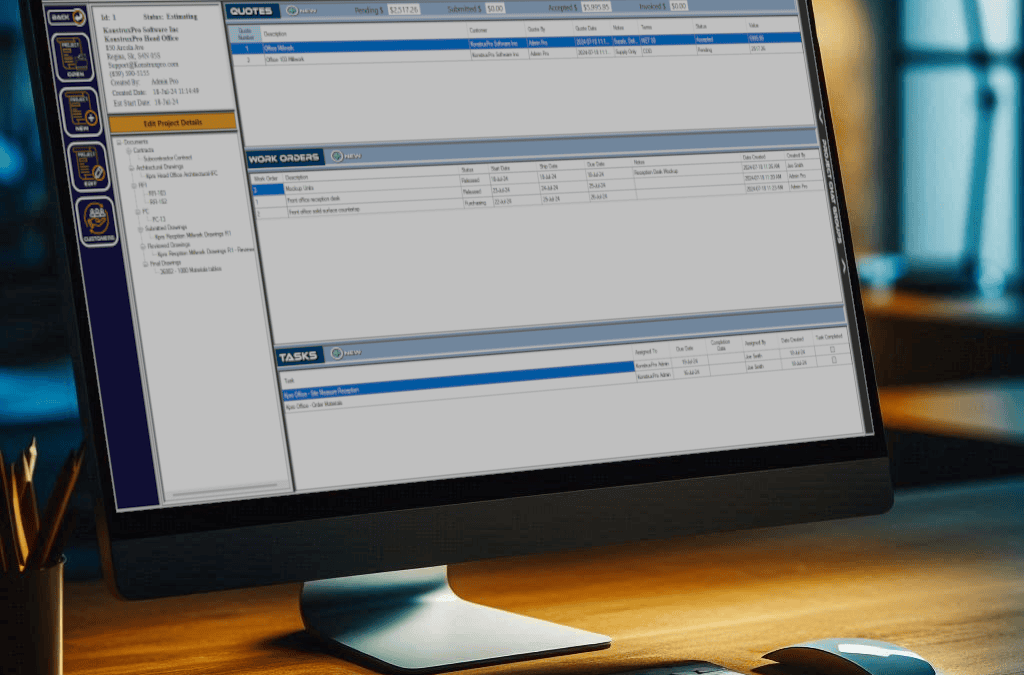
KonstruxPro is built precisely for this reality—an all-in-one ERP solution designed for trades, contractors, and shops in the US and Canada. With features like automated purchase orders, mobile time tracking, integrated payroll, and flat-rate pricing at just $549 CAD/month (unlimited users), it helps you integrate tech seamlessly, boost efficiency, and meet sustainability goals through better resource control and reduced rework.
Ready to position your business for 2026 success? Start with our 30-day free trial at www.konstruxpro.com. Book a demo to see how KonstruxPro streamlines your workflows and keeps you ahead of the curve.
Let’s build smarter, greener, and more efficiently—together.
Posted by the KonstruxPro Team